
Ready to Explore Energy Solutions?
Contact our team to discuss your energy commodity requirements and discover how INTERGAS can optimize your supply chain.
Get In Touch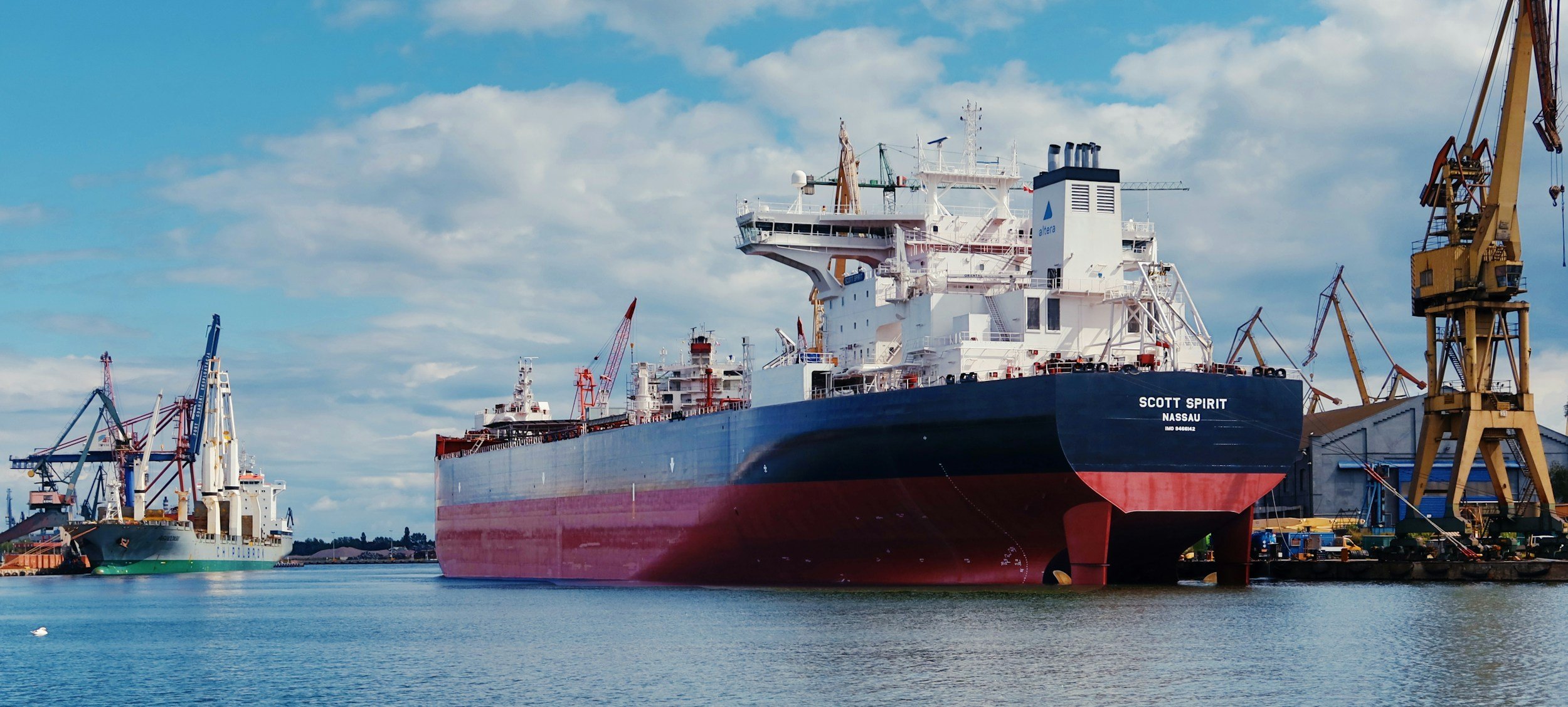
Liquefied Natural Gas (LNG) is natural gas that has been cooled to approximately –162°C, transforming it into a liquid form that occupies about one six-hundredth of its original volume. This process makes it far more efficient to transport over long distances, especially to regions without pipeline infrastructure. Primarily composed of methane, LNG is considered one of the cleanest fossil fuels, producing significantly less carbon dioxide and sulfur emissions when burned. Because of its environmental and logistical advantages, LNG plays a critical role in global energy transition efforts and serves as a bridge between traditional hydrocarbons and renewables.
The LNG supply chain is among the most technically complex in the energy sector. It begins with the extraction of natural gas from onshore and offshore fields, followed by processing to remove impurities such as water, CO₂, and heavier hydrocarbons. The purified gas is then cooled in liquefaction plants, loaded into cryogenic tankers, and shipped across the world. At the destination, LNG is regasified in import terminals before being distributed via pipeline networks to power stations, industrial users, and urban distribution grids. This end-to-end system requires careful synchronization between upstream production, midstream transport, and downstream consumption.
The movement and pricing of LNG are shaped by global supply-demand dynamics, freight costs, and regional infrastructure constraints. Contracts range from long-term supply agreements to spot-market transactions, requiring expertise in logistics, credit management, and risk mitigation. Companies like INTERGAS participate in this ecosystem by helping to coordinate cargo movements and match buyers with suppliers across the Asia-Pacific region, ensuring commercial balance, reliability, and transparent market engagement without direct involvement in production or shipping operations.
Liquefied Petroleum Gas (LPG) refers primarily to propane and butane gases obtained during crude oil refining and natural gas processing. It is stored under moderate pressure as a liquid and reverts to gas when released, making it easy to transport, store, and use across diverse applications. LPG burns cleanly and efficiently, offering high energy output relative to its volume. It is widely used for domestic heating and cooking, industrial processing, agriculture, and as a feedstock for petrochemical production. Its versatility has made it an indispensable part of modern energy systems, especially in regions where pipeline gas is limited or unavailable.
The LPG supply chain begins with extraction or refining, where heavier hydrocarbons are separated from raw natural gas or crude oil streams. The resulting propane and butane are then blended, stored in pressurized tanks, and shipped via pipelines, marine vessels, or road tankers. Distribution networks extend from bulk import terminals to local filling stations or cylinder depots, enabling access for both large industrial consumers and small-scale users. Efficient logistics and safety management are essential given LPG’s flammable nature, with strict standards applied to storage, handling, and transport throughout the chain.
Market access and timing play key roles in LPG trading, as seasonal demand patterns — particularly for heating and agricultural use — can cause significant price volatility. Traders help balance these fluctuations by optimizing storage and shipping schedules while ensuring reliable product quality. INTERGAS operates within this midstream environment, leveraging regional partnerships to connect refiners and importers while facilitating dependable supply routes across the Asia-Pacific. Its involvement helps streamline the flow of LPG from production hubs to consumer markets, emphasizing transparency, efficiency, and long-term relationship building.
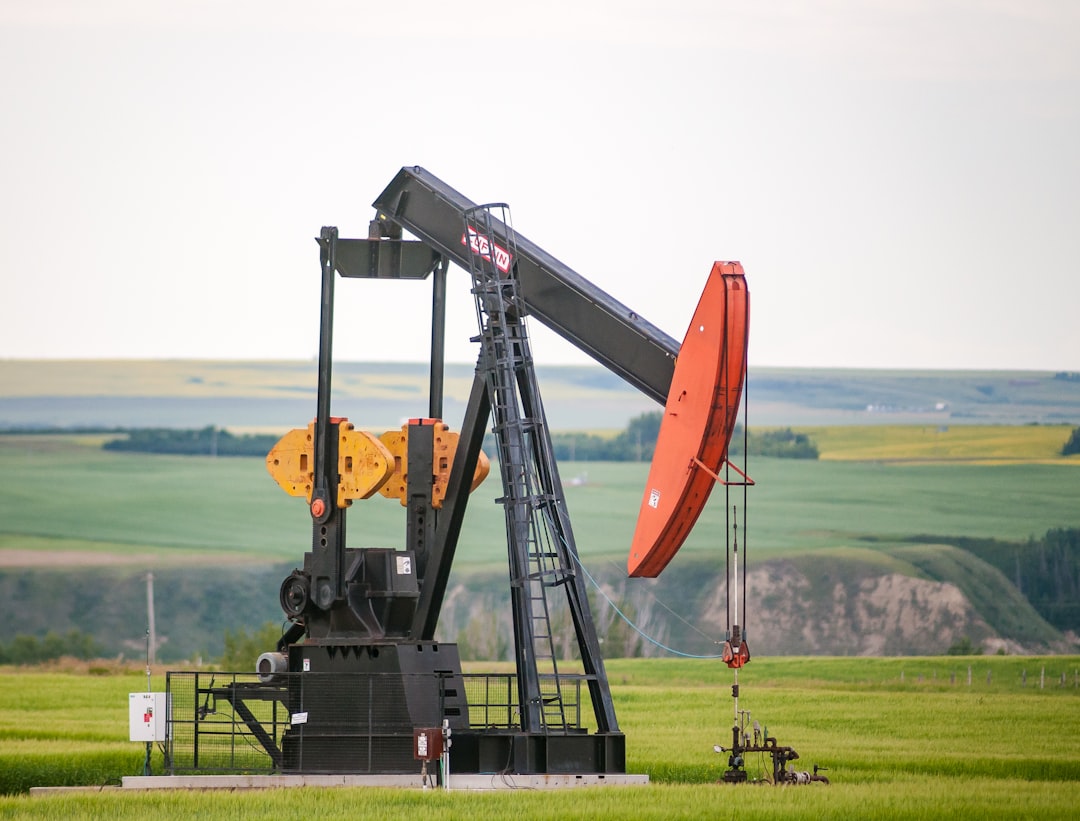
Crude oil is a naturally occurring liquid mixture of hydrocarbons formed over millions of years from decomposed organic matter. Extracted from underground reservoirs through drilling, it remains the world’s most critical energy resource and the backbone of modern industrial civilization. Once refined, crude oil produces transportation fuels such as gasoline, diesel, and jet fuel, as well as numerous byproducts including lubricants, asphalt, and petrochemical feedstocks used to manufacture plastics and synthetic materials. Its ubiquity makes it central not only to the energy economy but also to virtually every manufacturing and transport sector globally.
The crude oil supply chain is vast and interconnected, beginning with exploration and production, often managed by national oil companies and major producers. Extracted crude is transported via pipelines, rail, or marine tankers to refineries, where it is separated and processed into a range of petroleum products through distillation and chemical refining. From there, the products move into wholesale and retail distribution networks serving industries, utilities, and consumers. Crude oil pricing and trade are governed by international benchmarks such as Brent and West Texas Intermediate, which reflect regional qualities, freight costs, and global market sentiment.
In this complex global web, intermediaries and trading companies serve as vital connectors between producers, refiners, and end markets, facilitating flexible flows of supply in response to shifting demand. These firms provide market access, logistical coordination, and financial structuring to optimize deliveries and manage risk. INTERGAS contributes within this framework by engaging in responsible, transparent crude oil trading across the Asia-Pacific, aligning supply contracts with refiners and distributors while supporting regional energy security and market efficiency.
Contact our team to discuss your energy commodity requirements and discover how INTERGAS can optimize your supply chain.
Get In Touch